

Understanding how your energy is designed to work
Human Design Inside WINC
Human Design is one of the tools we use inside WINC to support alignment, sustainability, and clarity — especially for women building lives and businesses that actually fit them.
It is a framework that helps you understand how you’re wired to use your energy, make decisions, and interact with the world.
It’s not predictive.
It’s not prescriptive.
And it’s not a box you’re meant to stay inside.
Think of it as an energetic operating system — a way to recognize what’s sustainable for you, what drains you, and where friction often comes from when you override your natural rhythms.
Inside WINC, Human Design is used for awareness, not identity.
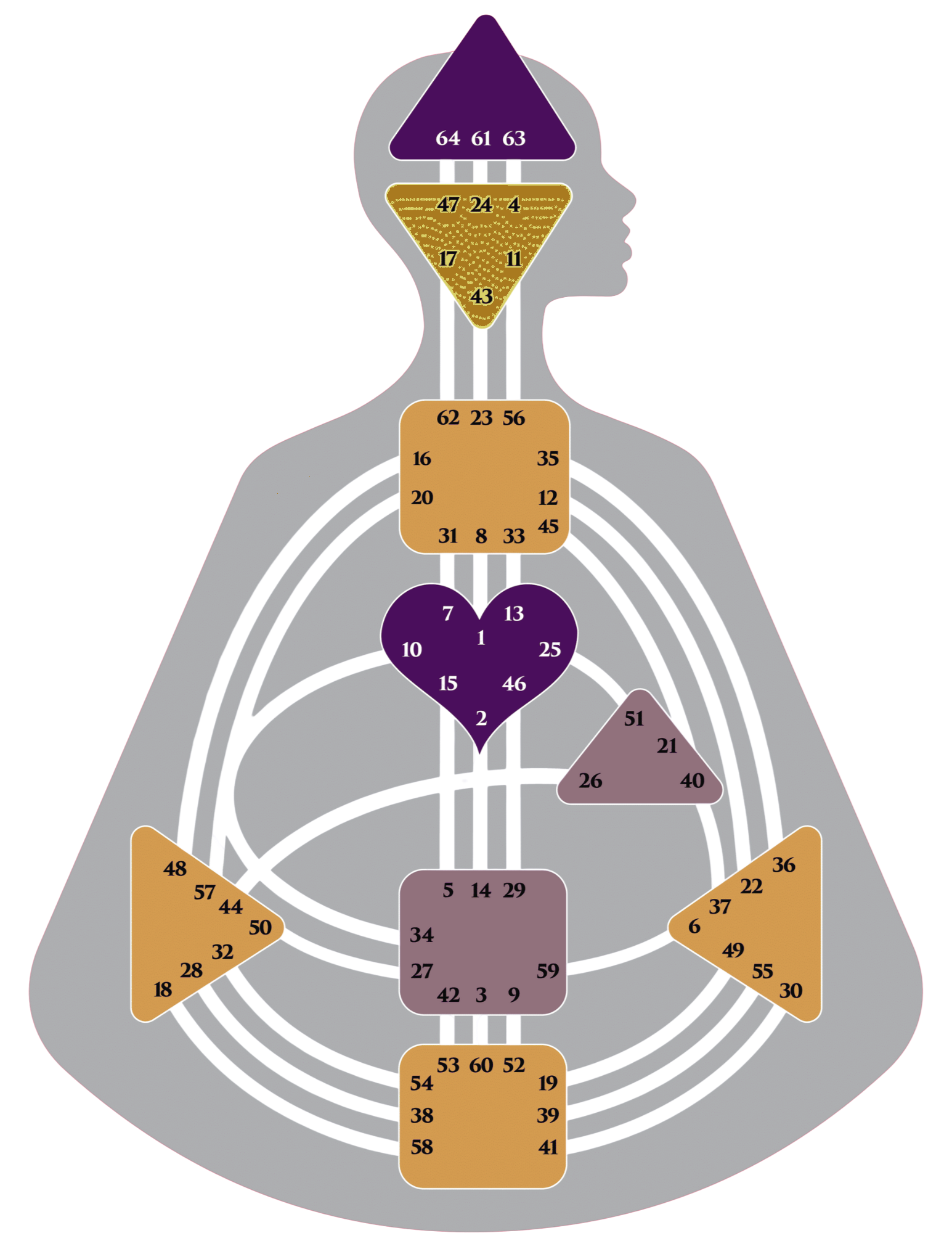
Inside WINC, Human Design supports:
Sustainable leadership and growth
Decision-making clarity
Boundaries, pacing, and energy management
Reducing burnout and self-abandonment
Understanding why certain strategies or structures feel misaligned — even when they “should” work
Human Design helps answer questions like:
Why do I thrive with flexibility but shut down with rigid schedules?
Why do I need time to respond instead of initiate?
Why does visibility energize me — or completely exhaust me?
When women understand their energy, they stop forcing themselves into models that were never designed for them.
By the time you reach this point, you already have your Human Design chart — and likely a sense of recognition, curiosity, or even confusion about what it reflects.
This page is here to add depth, context, and clarity.
Human Design isn’t meant to be understood all at once. Each part of your chart describes a different layer of how you’re designed to use energy, make decisions, experience alignment, and move through the world.
You don’t need to work through this in a specific order.
Start with the area that feels most relevant right now — and let understanding build from there.
Human Design isn’t about becoming someone new.
It’s about understanding yourself more clearly.
One more thing to keep in mind:
Much of what you experience in your chart has been shaped — amplified, muted, or redirected — by how you’ve learned to operate in the world.
Understanding conditioning helps you separate what’s inherent from what was adaptive.

Your Energy Type
How your energy is designed to move through the world
Your Energy Type describes how your energy naturally engages with the world — how you initiate, respond, sustain, or reflect.
It’s not about what you should do.
It’s about recognizing what’s sustainable for you — especially over time.
When you understand your type, you start to see why certain ways of working feel effortless… and why others quietly drain you.
-
As a Generator, your energy is designed to respond to life rather than initiate it. This doesn’t mean you lack drive or ambition — in fact, most Generators are deeply capable and often carry a steady work ethic. What’s different is how your energy comes online. Your vitality is activated when something external meets you and your body recognizes it as a yes.
Many Generators learn early on to push themselves into action. Being capable, reliable, or productive is often rewarded, so it’s easy to confuse effort with alignment. Over time, this can create a pattern of saying yes to things that make sense logically or look good on paper, while your energy quietly disengages. When that happens, the cost isn’t immediate. It accumulates.
In Human Design, your Strategy is called responding, but this is less about waiting and more about listening. Life is constantly presenting options, invitations, and requests. When you allow yourself to respond rather than initiate, your energy organizes itself naturally. Momentum builds without force, and decisions tend to feel grounded rather than pressured.
Alignment for a Generator isn’t loud. It shows up as satisfaction — the sense that your energy was well spent, even if the work was challenging. Misalignment, on the other hand, often shows up as frustration. Not because you’re doing something wrong, but because your energy is being used in ways it was never meant to sustain.
In relationships and collaborative spaces, Generators thrive when their responses are respected. You don’t do well when you’re rushed into decisions or expected to be endlessly available. You’re at your best when there’s room for you to check in with yourself, notice what your body is saying, and respond honestly.
Managing your energy as a Generator isn’t about doing less. It’s about being more selective. When you commit to what genuinely engages you, your capacity increases. When you override yourself, even meaningful work can start to feel heavy.
Approximately 37% of the population has this energetic design. It’s common — but it’s not generic. Your energy works best when it’s engaged, not driven.
-
As a Manifestor, your energy is designed to initiate. You’re wired to feel internal urges — sudden clarity about what needs to begin, shift, or move — and to act on them independently. This isn’t about speed for its own sake; it’s about responding to an inner signal that doesn’t require external validation before it’s real.
Many Manifestors learn early on that their independence can feel disruptive to others. You may have been told to slow down, explain yourself, or wait for approval before moving forward. Over time, it can feel easier to suppress your impulses or manage other people’s reactions than to honor what you know needs to happen. When that happens, your energy often tightens rather than flows.
In Human Design, your Strategy is to inform before you act. This doesn’t mean asking for permission — it means reducing resistance by letting others know what’s coming. When you inform, your energy meets less friction, and your natural momentum is preserved. When you don’t, the world can feel surprisingly obstructive.
Alignment for a Manifestor is marked by peace. It’s the feeling that you’re free to move, initiate, and create without being stopped or questioned at every turn. When you’re out of alignment, anger can surface — not as a personality flaw, but as a signal that your autonomy is being constrained or your impulses are being blocked.
In relationships, Manifestors thrive when their independence is respected. You don’t do well with micromanagement or unspoken expectations. Clear communication and mutual respect allow you to stay open rather than defensive. When others understand that your need for autonomy isn’t rejection, connection becomes easier.
Managing your energy as a Manifestor isn’t about doing more — it’s about doing what wants to move when it wants to move. Rest is essential between bursts of initiation, and honoring those cycles keeps your energy clean rather than reactive.
Approximately 9% of the population carries this energetic design. It’s less common — and often misunderstood. Your impact doesn’t come from consistency. It comes from initiating what others didn’t yet know was possible.
-
As a Manifesting Generator, your energy is both responsive and fast-moving. You’re designed to engage with life when something activates you — and then to move quickly once you’re in motion. This combination often makes you efficient, multi-passionate, and capable of handling more than one thing at a time, but it can also make your path look nonlinear from the outside.
Many Manifesting Generators learn early on that their speed can confuse others. You may have been asked to slow down, stick to one thing, or explain yourself before you were even clear where you were headed. Over time, this can create pressure to justify your direction or force yourself into linear systems that don’t actually fit how you work best.
In Human Design, your Strategy is to respond and then inform. Like Generators, your energy comes online through response — but once you’re engaged, movement tends to happen quickly. Informing helps reduce resistance, especially when your pace or pivots affect others. Without it, friction can build even when your instincts are correct.
Alignment for a Manifesting Generator is marked by satisfaction, often paired with a sense of momentum. You feel engaged, energized, and clear, even when you’re juggling multiple interests. When you’re out of alignment, frustration tends to surface — usually when you’re slowed down unnecessarily, stuck explaining yourself, or committed to something your energy has already outgrown.
In relationships, you thrive when there’s flexibility and trust. You don’t do well with rigid expectations or being boxed into a single role. When others allow you to move at your natural pace and change course when needed, collaboration becomes fluid instead of tense.
Managing your energy as a Manifesting Generator means giving yourself permission to be nonlinear. You’re not meant to master one thing before touching the next. When you listen to your responses and allow your path to evolve, your efficiency becomes an asset rather than a liability.
Approximately 33% of the population has this energetic design. You’re common — but often misunderstood. Your gift isn’t consistency. It’s adaptive momentum.
-
As a Projector, your energy is designed to guide rather than sustain. You’re here to see systems, people, and patterns clearly — often before others are ready to see them themselves. This doesn’t mean you lack ambition or drive; it means your contribution is rooted in insight, not constant output.
Many Projectors grow up trying to keep pace in a world that rewards doing. You may have learned to overwork, overextend, or prove your value by matching others’ energy. Over time, this can lead to exhaustion that feels confusing, especially when you care deeply about what you’re doing.
In Human Design, your Strategy is to wait for recognition and invitation. This isn’t about passivity — it’s about timing. When your insight is recognized, your guidance lands. When it isn’t, effort can feel invisible, and your energy depletes quickly.
Alignment for a Projector is reflected in success — the sense that your perspective is seen, valued, and applied in a way that feels mutually beneficial. When you’re out of alignment, bitterness can emerge, often as a quiet signal that you’ve been offering guidance where it hasn’t been invited or received.
In relationships, Projectors thrive when they’re acknowledged for what they see rather than how much they do. You do best when others respect your need for rest and don’t expect you to operate at a sustained pace that isn’t natural for you.
Managing your energy as a Projector means honoring your limits. Rest isn’t optional for you — it’s what allows your clarity to remain sharp. When you stop measuring yourself by output and start valuing your insight, your role becomes both lighter and more impactful.
Approximately 20% of the population carries this design. You’re not here to keep things running. You’re here to help things run better.
-
As a Reflector, your energy is designed to be sensitive and attuned. You experience life through reflection — of people, environments, and systems around you. Rather than having a fixed way of operating, your energy changes based on where you are and who you’re with.
Many Reflectors grow up trying to define themselves in consistent terms. You may have felt pressure to “figure out who you are” or wondered why your clarity seems to shift over time. In a world that values predictability, this can feel disorienting — even though it’s exactly how you’re designed to work.
In Human Design, your Strategy involves waiting through a full lunar cycle before making major decisions. This isn’t about delay for delay’s sake; it’s about allowing time to reveal what’s correct. Your clarity comes through observation and reflection, not immediacy.
Alignment for a Reflector shows up as surprise — a sense of delight or openness as life unfolds in unexpected ways. When you’re out of alignment, disappointment can appear, often when you’ve tried to fix environments or carry responsibility that was never yours to hold.
In relationships, Reflectors thrive in spaces that feel healthy, supportive, and spacious. You’re deeply affected by your surroundings, and when those environments are aligned, your energy feels light and clear. When they’re not, the impact is immediate.
Managing your energy as a Reflector is less about optimization and more about discernment. Choosing where — and with whom — you spend your time matters more than what you do. When your environment supports you, your natural wisdom becomes visible.
Approximately 1% of the population has this energetic design. You are rare — not because you’re meant to stand apart, but because your role is to reflect the truth of the whole.
Your Energy Type sets the rhythm — but it’s not the whole story.
How this energy moves through your life depends on how you make decisions, how you relate to others, and how you respond under pressure.

Your Authority
How you’re designed to make decisions that hold up over time
Your Authority describes where reliable clarity comes from for you.
Most women are taught to decide quickly, logically, or based on what will keep things moving. Human Design offers a different lens — one that recognizes decision-making as an internal process rather than a mental one.
Authority isn’t about being certain or confident. It’s about trusting the specific way your system processes truth, especially when choices matter.
Below, you’ll find the different Authorities. As you read yours, notice what feels familiar — not what you think you should relate to.
-
If you have Emotional Authority, your clarity unfolds over time. You’re not designed to know what’s right for you in the moment — and that’s not a flaw or a delay. It’s how your system processes truth.
Your emotional landscape moves in waves. Sometimes you feel certain and expansive, other times uncertain or withdrawn, and often somewhere in between. None of these states hold the full answer on their own. Clarity comes from allowing the wave to move, rather than trying to decide from the peak or the low.
Many women with Emotional Authority learn early on to override this process. You may have been encouraged to decide quickly, reassure others, or commit before you felt ready. Over time, this can create a pattern of saying yes when things feel good in the moment — or saying no when they feel heavy — only to realize later that the decision didn’t actually reflect your truth.
In Human Design, emotional clarity isn’t instant. It arrives gradually, once the emotional charge has settled. When you give yourself time, the decision doesn’t feel exciting or dramatic — it feels calm, steady, and grounded. That steadiness is the signal you’re looking for.
In relationships, Emotional Authority asks for space and patience. You may need time before answering questions, making commitments, or responding to emotional conversations. When others respect this, trust deepens. When you feel pressured to decide before you’re clear, resentment or regret often follows.
Supporting your Authority means building pauses into your life. Sleeping on decisions, revisiting conversations, and letting emotional reactions pass before committing allows your clarity to emerge naturally. You don’t need to justify the timing — it’s part of how you’re designed.
With Emotional Authority, alignment doesn’t come from certainty in the moment. It comes from honoring your emotional process and trusting that clarity will arrive when the wave has completed its cycle.
-
If you have Sacral Authority, your clarity lives in your body, not your mind. You’re designed to know what’s right for you through an immediate, visceral, gut response — a felt sense of yes or no that shows up before you can explain it.
This response is subtle but unmistakable once you learn to notice it. It may come through a sound, a tightening or expansion, a pull forward, or a sense of energy turning on. It doesn’t arrive through reasoning or future planning. It’s a present-moment truth, available when something is placed in front of you.
As children, many of us naturally expressed this response out loud — an uh-huh or uh-uh that came straight from the body. Most of the time, an adult would gently interrupt with “use your words,” believing they were teaching manners or helping you communicate more clearly. Little did they know, that moment often marked the beginning of turning away from bodily knowing and toward mental processing.
Over time, this can create distance from the sacral response. You may have learned to think things through, consider what makes sense, or say yes out of obligation rather than response. Not because your clarity disappeared — but because it stopped being trusted.
In Human Design, Sacral clarity isn’t something you figure out. It’s something you answer. When you respond to what life brings you, your decisions tend to feel clean and sustainable. When you initiate from the mind or commit without checking in, frustration often follows, even if the choice seemed reasonable at the time.
In relationships, Sacral Authority thrives on responsiveness. You do best when decisions are framed in a way that allows your body to answer, rather than when you’re asked open-ended questions that pull you into your head. When your yes is honored and your no is respected, trust builds naturally.
Supporting your Authority means slowing down just enough to listen. You don’t need more time to analyze — you need the right prompt. When you allow yourself to respond honestly, your energy stays engaged and your decisions tend to hold up over time.
With Sacral Authority, alignment isn’t about certainty or confidence. It’s about responsiveness. When your body says yes, your energy follows.
-
If you have Splenic Authority, your clarity arrives in an instant. It’s subtle, quiet, and often gone as quickly as it appears. You’re designed to know what’s right for you through a momentary sense of instinct — a whisper rather than a wave or a response.
This kind of knowing doesn’t repeat itself. It doesn’t grow louder if you wait. It shows up once, often without explanation, and asks to be trusted in real time. Many women with Splenic Authority describe it as a sudden awareness, a bodily cue, or an inner nudge that doesn’t come with reasons attached.
Because this clarity is so brief, it’s often overridden. You may have learned to dismiss it in favor of logic, reassurance, or external input — especially when the instinct doesn’t make immediate sense. Over time, this can create self-doubt, not because your intuition was wrong, but because it was ignored often enough to feel unreliable.
In Human Design, Splenic clarity is tied to the present moment. It’s concerned with what’s healthy, safe, and correct now — not with future planning or emotional processing. When you act on it as it arises, decisions tend to feel clean and protective. When you hesitate or look for confirmation, the clarity usually fades.
In relationships, Splenic Authority values attunement. You may sense shifts, tensions, or misalignment before they’re visible or spoken. When this awareness is respected, it builds trust. When it’s dismissed, you may feel unsettled without being able to explain why.
Supporting your Authority means learning to listen without second-guessing. You don’t need time to think or feel into decisions — you need permission to trust the first signal. The more consistently you honor it, the clearer it becomes.
With Splenic Authority, alignment isn’t loud or dramatic.
It’s immediate — and then it’s gone. -
If you have Ego-Manifested Authority, your clarity comes from your will — not from emotion, instinct, or response. You’re designed to know what’s right for you through a direct sense of desire that wants to be expressed out loud.
This kind of knowing often surprises people, including you. Clarity doesn’t arrive through waiting or reflection. It comes through declaration. When something is correct, you hear yourself say it before you’ve fully thought it through. The truth reveals itself in the act of speaking.
Because of this, Ego-Manifested Authority is frequently misunderstood. You may have been told you’re impulsive, selfish, or too focused on what you want. Over time, this can lead to hesitation — second-guessing your own desires or softening your truth to make others more comfortable.
In Human Design, your will isn’t something to be justified. It’s something to be trusted. When you speak from your center — without trying to convince, prove, or negotiate — your decisions tend to feel clean and self-honoring. When you suppress or dilute what you want, resentment or exhaustion often follows.
In relationships, this Authority thrives on honesty. You do best when you’re allowed to express your desires clearly and without apology, and when others don’t ask you to commit to things that don’t genuinely align. Mutual respect grows when your will is met with listening rather than resistance.
Supporting your Authority means giving yourself permission to want what you want. Not because it’s practical or logical — but because it’s true. Speaking your desire out loud isn’t a power move; it’s how your clarity arrives.
With Ego-Manifested Authority, alignment isn’t about compromise or consensus.
It’s about honoring the truth of your will and allowing it to lead. -
If you have Ego-Projected Authority, your clarity comes through your voice — but not in the same way as Ego-Manifested Authority. You’re not here to declare what you want in the moment. You’re here to hear yourself speak and notice what feels true as it takes shape.
This Authority is directional. Clarity emerges when you talk things through in a space that feels safe, grounded, and free of pressure. As you speak, you begin to feel your alignment — not as excitement or certainty, but as a sense of rightness in the direction you’re pointing.
Many women with Ego-Projected Authority grow up trying to decide internally, believing they should “know” before they speak. When clarity doesn’t come that way, it can feel confusing or unreliable. Over time, this can lead to suppressing your voice or deferring to others who seem more decisive.
In Human Design, your will isn’t meant to operate in isolation. It needs expression — not to convince or perform, but to reveal itself. When you allow yourself to speak freely, without interruption or expectation, the truth becomes audible to you.
In relationships, Ego-Projected Authority thrives on spacious dialogue. You do best when others listen without steering or solving, and when you’re not rushed toward a conclusion. When your words are met with presence rather than pressure, trust deepens — both with others and within yourself.
Supporting your Authority means choosing your sounding boards carefully. Not everyone needs access to your process. When you speak in the right environment, clarity unfolds naturally, and decisions tend to feel steady and self-directed.
With Ego-Projected Authority, alignment isn’t about asserting what you want.
It’s about listening to where your voice is leading you. -
If you have Self-Projected Authority, your clarity comes from your sense of self. Decisions aren’t revealed through emotion, instinct, or will — they emerge through identity. You know what’s right for you when you hear yourself speak and recognize yourself in what you’re saying.
This process isn’t about talking things out to reach an answer. It’s about listening for resonance. As you speak, you can feel when something aligns with who you are and when it doesn’t. The clarity is subtle but unmistakable — a quiet sense of this is me or this isn’t.
Many women with Self-Projected Authority grow up trying to decide from the mind, especially when others expect quick answers or logical explanations. When clarity doesn’t arrive that way, it can feel elusive or inconsistent. Over time, this can lead to outsourcing decisions or questioning your own sense of direction.
In Human Design, your truth isn’t something to analyze. It’s something to recognize. When you give yourself permission to speak freely — without editing, performing, or persuading — your alignment becomes audible to you. When you rush yourself or speak to please others, that signal gets distorted.
In relationships, Self-Projected Authority thrives in environments that feel safe and spacious. You do best when others listen without interrupting or steering, and when your voice is met with curiosity rather than expectation. Being heard helps you hear yourself more clearly.
Supporting your Authority means honoring your need to process out loud. Not every conversation needs a conclusion. When you allow your words to unfold naturally, clarity emerges on its own timeline.
With Self-Projected Authority, alignment isn’t about certainty or commitment.
It’s about recognizing yourself in the direction you’re moving. -
If you have Environmental Authority, your clarity is shaped by where you are. Decisions become clear not through internal processing alone, but through the environments you move through and the perspectives you encounter along the way.
You’re designed to gain clarity by experiencing different spaces, conversations, and contexts. Walking, traveling, changing rooms, or simply being in the right setting allows insight to emerge naturally. What feels confusing in one environment often becomes obvious in another.
Many women with Environmental Authority grow up believing they should decide internally — sitting still, thinking it through, or waiting for a clear signal to appear. When that clarity doesn’t arrive, it can feel frustrating or disorienting. Over time, this can lead to self-doubt, even though nothing is wrong with how you’re designed.
In Human Design, your clarity unfolds through exposure. You don’t need to push for answers or force decisions. When you allow yourself to move through supportive environments, the right direction becomes apparent without effort.
In relationships, Environmental Authority thrives on shared experiences rather than intense discussion. You may find that decisions settle after time spent together in different settings, rather than through immediate conversation. When others respect your need to be in it before deciding, trust deepens.
Supporting your Authority means paying attention to how spaces affect you. Choosing environments that feel nourishing, expansive, or grounding helps your clarity surface. When you try to decide in places that feel constricting or draining, uncertainty tends to linger.
With Environmental Authority, alignment isn’t about certainty in isolation.
It’s about letting the right environment reveal the answer. -
If you have Lunar Authority, your clarity emerges over time. You’re not designed to decide quickly or even consistently from moment to moment. Instead, your perspective evolves as you move through different phases, conversations, and experiences across a full lunar cycle.
This Authority belongs exclusively to Reflectors, and it reflects your sensitivity to the world around you. What feels correct one day may shift as new information, environments, or insights come into view. This isn’t indecision — it’s discernment unfolding gradually.
Many women with Lunar Authority grow up believing something is wrong with them because their clarity takes time. You may have been pressured to commit, choose, or define yourself before you felt ready. Over time, this can create anxiety around decision-making, even though your natural process is working exactly as it should.
In Human Design, Lunar clarity comes from witnessing yourself over time. By talking through decisions with trusted people, noticing how you feel in different settings, and allowing the full cycle to complete, the right answer reveals itself. When clarity arrives, it tends to feel quiet, steady, and complete.
In relationships, Lunar Authority requires patience and understanding. You may need time to observe how things feel across different moods, settings, and moments. When others respect this process, trust grows. When you’re rushed, confusion or disappointment often follows.
Supporting your Authority means honoring your timing. Major decisions benefit from reflection, conversation, and space. You’re not meant to rush clarity — you’re meant to arrive at it.
With Lunar Authority, alignment isn’t about certainty in the moment.
It’s about perspective gained over time.
Authority shapes how you make decisions — but it doesn’t exist in isolation.
How that clarity is expressed, tested, and lived out over time is influenced by your Profile.

Your Profile
How you’re designed to learn, interact, and move through life
-
If you have a 1/3 Profile, your relationship with life is built through depth and lived experience. You’re designed to understand things from the ground up — first by building a solid foundation, and then by testing that foundation in the real world.
You’re naturally driven to seek information. Before you feel secure enough to engage fully, you want to know how things work, what’s reliable, and where the weak points are. This isn’t overthinking — it’s how you establish stability. Knowledge gives you something solid to stand on.
At the same time, learning doesn’t stay theoretical for long. Life tends to meet you with trial and error, refinement, and real-world feedback. Things that look good on paper often need to be lived before they feel true. Through this process, you gain wisdom that isn’t borrowed — it’s earned.
Many women with a 1/3 Profile grow up feeling like they have to get it right before moving forward. When experiments don’t go as planned, it can feel personal, as though something went wrong. Over time, this can create pressure to avoid mistakes or hide uncertainty, even though your design depends on experience to sharpen clarity.
In relationships and work, you’re often the one who sees what’s stable — and what isn’t. You notice cracks others overlook and aren’t afraid to learn through adjustment. When this is honored, your insight becomes invaluable. When it’s dismissed, you may feel misunderstood or overly cautious.
Alignment for a 1/3 Profile comes from permission — permission to research, to test, to refine, and to change course when something no longer holds. You’re not here to get it right the first time. You’re here to build something real.
This Profile isn’t about perfection.
It’s about truth discovered through experience. -
If you have a 1/4 Profile, your life is shaped by a need for both understanding and connection. You’re designed to build a solid internal foundation — and then move through the world through relationships that feel stable, familiar, and trustworthy.
Like all Line 1s, you’re driven to know. You want information you can rely on, systems that make sense, and ground beneath your feet before you commit. Knowledge helps you feel secure enough to engage fully. Without that foundation, uncertainty can feel destabilizing rather than exciting.
What distinguishes the 1/4 Profile is how that knowledge moves outward. Opportunities don’t arrive through pushing or proving — they arrive through people. Friends, colleagues, and close networks play a central role in how your life unfolds. When you’re rooted in relationships that feel aligned, things tend to open naturally.
Many women with a 1/4 Profile grow up feeling torn between staying safe and stepping forward. You may hesitate to move unless you trust the environment or the people involved. This isn’t resistance — it’s discernment. When your foundation and your relationships are intact, movement feels organic rather than forced.
In work and relationships, you’re often the steady presence others lean on. You bring reliability, depth, and loyalty. When your insights are shared within trusted circles, they carry weight. When those bonds are disrupted or taken lightly, it can feel unsettling, even if nothing else has changed.
Alignment for a 1/4 Profile comes from tending to both your inner and outer worlds. When you’re grounded in what you know and surrounded by people you trust, your influence expands without strain.
This Profile isn’t about visibility for its own sake.
It’s about building something meaningful — and letting it grow through connection. -
If you have a 2/4 Profile, your life moves through a rhythm of retreat and connection. You’re designed to develop your gifts in private — and then be drawn back into the world through relationships that recognize what you naturally carry.
There’s an ease to how certain things come to you. Skills, insights, or ways of being often feel innate rather than learned. Because of this, you may not always recognize your own strengths until someone else points them out. What feels ordinary to you is often what others find most compelling.
At the same time, you need space. Time alone isn’t optional for you — it’s where your energy recalibrates and your clarity settles. Without it, you may feel drained, irritable, or disconnected from yourself, even if everything looks fine on the surface.
What distinguishes the 2/4 Profile is how opportunity arrives. You’re not here to chase visibility or put yourself out constantly. Invitations come through your network — through people who see you, trust you, and naturally draw you into the right rooms. When you’re pulled out of solitude by the right connections, engagement feels energizing rather than forced.
Many women with a 2/4 Profile grow up feeling conflicted about this pattern. You may feel pressure to be more available, more proactive, or more visible than feels natural. Over time, this can lead to overextension or a quiet resistance to being seen, even when recognition is deserved.
In relationships and work, alignment comes from honoring both sides of your design. You thrive when you’re allowed to withdraw without guilt — and when your return is met with appreciation rather than demand. When this balance is respected, your influence expands organically.
This Profile isn’t about hiding or pushing yourself forward.
It’s about letting your gifts be recognized — and choosing when to engage. -
If you have a 2/5 Profile, your life unfolds through a paradox of visibility and privacy. You carry natural gifts that others sense instinctively — often before you’ve fully named or claimed them yourself. And because of that, people tend to project expectations onto you.
Like all Line 2s, your gifts are innate. There’s a way you move, think, or solve problems that feels effortless to you. You didn’t learn it through trial or training — it’s just there. Because it feels so natural, you may underestimate its value or assume it’s no big deal.
At the same time, Line 5 brings projection. Others often see you as someone who can fix, lead, or provide solutions — sometimes without fully knowing you. You may be called forward unexpectedly, asked to step in, or placed on a pedestal that doesn’t quite fit. When the projection is accurate, things flow. When it’s not, disappointment can land hard.
Many women with a 2/5 Profile grow up oscillating between wanting to be left alone and feeling pulled into roles they didn’t ask for. You may retreat to protect your energy, then feel pressure to re-emerge when others need something from you. Over time, this can create confusion around when to engage and when to stay hidden.
In work and relationships, alignment comes from discernment. You thrive when you’re invited for the right reasons — when people recognize what you actually offer, not what they hope you’ll be. When you say yes from alignment, your impact is real and far-reaching. When you say yes to manage expectations, resentment often follows.
Supporting your design means honoring both sides of the profile. You need solitude to stay connected to yourself, and you need clear boundaries to filter projection. You’re not here to be everything to everyone.
This Profile isn’t about disappearing or proving yourself.
It’s about choosing when — and for whom — your gifts are truly available. -
If you have a 3/5 Profile, your life is shaped by experience — and by how others interpret that experience. You’re designed to learn through trial and error, and to discover what works by living it, not theorizing it.
Line 3 brings experimentation. You engage with life hands-on, often learning by bumping into the edges of things. What doesn’t hold reveals itself quickly, and you’re naturally wired to adjust, refine, and move forward. This isn’t recklessness — it’s how you gather truth.
Line 5 adds projection. Others often see you as someone who can solve problems or bring clarity where things feel stuck. You may be called into situations where people expect answers, leadership, or resolution — sometimes without understanding the path you took to get there.
Together, this can be a complicated dynamic. Your experiments aren’t always neat, and your process can be misunderstood. When things work, you’re often credited for your insight. When they don’t, blame or disappointment can land on you, even when you were simply exploring what was possible.
Many women with a 3/5 Profile grow up internalizing this tension. You may feel pressure to avoid mistakes or clean up outcomes for others, despite learning best through experience. Over time, this can lead to self-censorship or hesitation — not because you lack resilience, but because you’ve learned the cost of being visible while figuring things out.
In work and relationships, alignment comes from discernment and boundaries. You thrive when you’re allowed to experiment without being held responsible for everyone’s expectations. When you engage from clarity rather than obligation, your insights are practical, grounded, and deeply impactful.
Supporting your design means reframing failure entirely. Missteps aren’t signs you’re off track — they’re how you gather information. Your wisdom doesn’t come from certainty; it comes from lived truth.
This Profile isn’t about getting it right the first time.
It’s about discovering what actually works — and sharing it honestly. -
If you have a 3/6 Profile, your life unfolds in phases. You’re designed to learn through direct experience early on — and to carry the wisdom of that experience into a more grounded, observational role over time.
Line 3 brings experimentation. In the first part of life especially, learning happens through trial and error. You engage fully, discover what works by living it, and refine through experience. This period can feel intense or messy, not because something is wrong, but because your design requires real-world feedback.
Line 6 introduces perspective. Over time, your relationship with experimentation changes. Rather than being immersed in every experience, you begin to step back, observe patterns, and integrate what you’ve learned. Clarity becomes less about reacting and more about discernment.
Many women with a 3/6 Profile struggle with this transition. You may feel pressure to have things figured out sooner than feels natural, or question why your early experiences didn’t lead directly to stability. What often gets overlooked is that your wisdom is cumulative — it’s built through living, not rushing.
In work and relationships, alignment comes from honoring your current phase. Early on, you need freedom to explore and adjust. Later, you thrive when you’re allowed to hold perspective — offering insight not from theory, but from lived understanding. Others often look to you for guidance once you’ve integrated your experiences.
Supporting your design means trusting the arc of your life. You’re not behind, and you’re not late. You’re gathering what you need to eventually embody clarity with depth and integrity.
This Profile isn’t about constant experimentation — or perfection.
It’s about becoming someone whose perspective has been earned. -
If you have a 4/6 Profile, your life unfolds through connection — and then through perspective. Relationships form the foundation of your early experiences, and over time, those experiences shape the way you see the world and your place within it.
Line 4 brings opportunity through people. Your path isn’t meant to be forced or self-made in isolation. Things open through networks, friendships, and trusted connections. When relationships feel aligned, life tends to move smoothly. When those bonds are disrupted, it can feel destabilizing, even if nothing else appears to have changed.
Line 6 adds a long-term arc. As you move through life, your relationship with connection evolves. Early experiences — especially relational ones — teach you what holds and what doesn’t. Over time, you begin to step back, observe patterns, and integrate what you’ve learned into a more grounded, steady perspective.
Many women with a 4/6 Profile feel the weight of early relational experiences deeply. Breaks in trust or shifts in community can feel personal, even when they’re part of a larger pattern. What’s often missed is that these experiences are shaping your discernment — not hardening you, but refining you.
In work and relationships, alignment comes from honoring both parts of your design. You thrive when you’re rooted in genuine connection and allowed the space to mature into your own perspective. Others often look to you not just for closeness, but for the steadiness you develop over time.
Supporting your design means choosing relationships with care and allowing your role to evolve naturally. You’re not meant to stay in the same relational posture forever. As your perspective deepens, so does your influence.
This Profile isn’t about visibility or isolation.
It’s about becoming someone others trust — because your perspective has been lived into. -
If you have a 4/1 Profile, your life is anchored by a strong internal foundation and expressed through relationship. You’re designed to move through the world from a place of conviction — not because you’re inflexible, but because you know what you stand on.
Line 1 brings depth and certainty. You’re oriented toward understanding things thoroughly and establishing a solid base before you engage. Once that foundation is in place, it doesn’t shift easily. You’re not here to constantly reassess or reinvent yourself — you’re here to live from what you know to be true.
Line 4 brings connection. While your beliefs are internally rooted, the way they move outward is relational. Opportunities arise through people who trust you and feel safe with you. Your influence expands when you’re embedded in community, not when you try to operate alone.
Many women with a 4/1 Profile feel tension when the world asks them to be more adaptable than feels natural. You may be encouraged to stay open, flexible, or available to change in ways that undermine your sense of stability. Over time, this can feel disorienting — not because you’re resistant, but because your design relies on consistency.
In work and relationships, alignment comes from being allowed to stand in what you know while staying connected to others. You bring reliability, clarity, and a sense of grounded direction. When your foundation is respected, your relationships tend to deepen. When it’s challenged or dismissed, you may withdraw.
Supporting your design means honoring your need for stability and choosing relationships that don’t require you to compromise your core. You’re not here to persuade or adapt endlessly — you’re here to embody what you know and let it influence through trust.
This Profile isn’t about rigidity or openness.
It’s about living from a foundation that allows connection to grow. -
If you have a 5/1 Profile, your life often unfolds under expectation. Others tend to see you as someone who can fix, solve, or stabilize what feels uncertain — sometimes before you’ve offered anything at all. That projection isn’t accidental, but it does require discernment.
Line 1 brings a need for foundation. You’re designed to investigate, research, and understand things thoroughly before stepping forward. Certainty doesn’t come from confidence alone — it comes from knowing what you’re standing on. Without that base, visibility can feel risky rather than empowering.
Line 5 brings projection. People often look to you for answers, leadership, or solutions, especially in moments of crisis or confusion. When the projection is accurate and you’re grounded in your knowledge, your impact can be far-reaching. When it’s misaligned, misunderstanding or disappointment can follow.
Many women with a 5/1 Profile grow up learning to manage expectations carefully. You may feel pressure to live up to what others believe you can offer, or hesitation around stepping into roles that place you in the spotlight. Over time, this can create a tension between wanting to contribute and wanting to protect yourself.
In work and relationships, alignment comes from clarity and boundaries. You thrive when you’ve had time to build your foundation and can choose which projections to engage with. When you say yes from alignment, your presence brings structure, direction, and practical insight. When you say yes to meet expectations, the cost is often personal.
Supporting your design means trusting your timing. You’re not here to respond to every call or solve every problem. When you lead from what you know — rather than what’s expected — your influence becomes both effective and sustainable.
This Profile isn’t about saving the day.
It’s about offering solutions that are grounded in truth. -
If you have a 5/2 Profile, your life often unfolds at the intersection of projection and privacy. Others tend to see you as capable, competent, or uniquely equipped to handle what feels difficult — sometimes before you’ve chosen to step forward. At the same time, you need space away from the world to stay connected to yourself.
Line 2 brings natural ability. Certain skills, insights, or ways of being come easily to you, often without formal training. Because they feel inherent, you may not recognize them as strengths until others point them out. What’s effortless to you is often what others are drawn to.
Line 5 brings projection. People frequently look to you as someone who can offer solutions or bring clarity in moments of uncertainty. When the projection is accurate, your impact can be powerful and far-reaching. When it isn’t, you may feel misunderstood or burdened by expectations you never agreed to carry.
Many women with a 5/2 Profile grow up navigating this tension quietly. You may feel pulled into roles you didn’t seek, then retreat to recover your energy. Over time, this can create ambivalence around being seen — wanting recognition, but on your own terms.
In work and relationships, alignment comes from discernment. You thrive when you choose when to be visible and when to withdraw. When your gifts are recognized accurately and your need for solitude is respected, engagement feels clean rather than draining.
Supporting your design means honoring both sides of the profile. You’re not meant to be constantly available, nor are you meant to hide indefinitely. When you allow yourself to emerge by choice — not by pressure — your presence carries clarity and impact.
This Profile isn’t about fixing everything or disappearing completely.
It’s about choosing when your gifts are truly meant to be seen. -
If you have a 6/2 Profile, your life unfolds over time. You’re designed to grow into clarity, not rush toward it. Early experiences often shape you deeply, even when they don’t immediately make sense, and your perspective matures as you move through different phases of life.
Line 6 brings a long view. You’re here to observe, integrate, and eventually embody wisdom that comes from lived experience. Early on, you may feel immersed in trial, disappointment, or confusion — not because you’re off track, but because your understanding is forming through reality rather than theory.
Line 2 brings natural ability. Certain gifts come easily to you, often without conscious effort. Because they feel innate, you may not recognize them as exceptional until others call them out. Time alone helps these gifts settle and refine. Solitude isn’t avoidance for you — it’s part of your calibration.
Many women with a 6/2 Profile feel tension between being seen and staying private. You may sense that you’re meant for visibility eventually, while also needing long stretches of withdrawal to feel like yourself. This isn’t contradiction — it’s timing.
In work and relationships, alignment comes from honoring your pace. You thrive when you’re allowed to step back, integrate what you’ve learned, and re-emerge when it feels correct. Others often experience you as steady, grounded, and quietly influential once you’ve claimed your role.
Supporting your design means trusting your evolution. You’re not late, and you’re not meant to be fully formed early. When you allow yourself to mature naturally, your presence carries credibility without effort.
This Profile isn’t about striving to be a role model.
It’s about becoming one — simply by living what you’ve learned. -
If you have a 6/3 Profile, your life is shaped by experience — and by what you learn from it over time. You’re designed to engage deeply with life, learn through trial and error, and gradually integrate those experiences into wisdom that others can trust.
Line 3 brings experimentation. Early in life especially, learning happens through doing, adjusting, and discovering what doesn’t work. This can involve missteps, changes of direction, or experiences that feel disruptive at the time. None of this is wasted. It’s how your understanding is built.
Line 6 brings perspective. As you move through life, your relationship with experience changes. You begin to step back, observe patterns, and integrate what you’ve lived through. Rather than being defined by each experiment, you start to carry a broader, steadier view of what holds and what doesn’t.
Many women with a 6/3 Profile feel pressure to have things figured out earlier than feels natural. When early experiences are intense or messy, it can create self-doubt or the sense that you’re behind. What often goes unseen is that your wisdom is cumulative — formed through living, not rushing.
In work and relationships, alignment comes from honoring both parts of your design. You need freedom to explore and adjust, and you need time to integrate what you’ve learned. Over time, others come to trust your perspective — not because it’s theoretical, but because it’s been lived.
Supporting your design means trusting the process of becoming. You’re not meant to bypass experience in favor of certainty. When you allow life to shape you fully, your presence becomes grounded, realistic, and deeply credible.
This Profile isn’t about perfection or endless experimentation.
It’s about perspective earned through experience.
Your Profile describes the role you tend to play in life — not as a personality, but as a pattern.
It reflects how you learn through experience, how others often perceive you, and the way your energy naturally engages with the world around you.
Many women recognize their Profile not because they chose it, but because it’s been mirrored back to them over time — through relationships, work, and the expectations others place on them.
Understanding your Profile helps you make sense of recurring themes in your life. It brings language to patterns you may have lived for years without realizing there was a structure behind them.
One way to understand the Profile lines is to imagine a house.
Each line experiences life from a different place in or around that house — and each location offers a different perspective.
Line 1 stands outside the house, near the gate or the path leading in.
They’re focused on safety, structure, and foundation. Before stepping inside, they want to know what they’re walking into and whether it’s solid.
Line 2 is inside the house, in a private room.
They’re naturally at ease within their own space, tending to what comes easily to them. They don’t seek the outside world — they’re often called out by it.
Line 3 is in the basement.
They’re testing the structure — discovering what works, what doesn’t, and what needs repair. Their learning comes through direct experience, not theory.
Line 4 is in the kitchen.
This is where people gather, talk, and connect. Opportunities come through relationships, shared space, and trusted networks — not through force or isolation.
Line 5 stands on the porch or balcony.
They’re visible to others and often projected upon. People look to them for answers or solutions, sometimes without knowing them personally.
Line 6 is on the roof.
They have the widest view — of the house, the neighborhood, and beyond. Over time, they gain perspective not by avoiding life, but by living through it and stepping back to see the whole.
No one location is better than another.
Each one reveals something different about how life works.
Your Profile doesn’t describe who you should be.
It reflects where you tend to experience life — and the perspective that comes with standing there.
When you stop comparing positions and start honoring your vantage point, your Profile becomes less about identity — and more about understanding how you’re designed to move through the world.
Conditioning, Roles & Learned Patterns
Long before you had language for Energy Type, Authority, or Profile, you learned how to function in the environments you were in. You learned how to relate, how to succeed, how to stay safe, and how to belong — often without realizing you were learning anything at all.
Conditioning isn’t something that happened to you. It’s something you adapted into.
Family systems, school expectations, workplace culture, and relationships all shaped how your energy learned to move. You noticed what was encouraged and what was discouraged. You learned which behaviors created approval, which ones created resistance, and which ones kept things moving smoothly. Over time, those adaptations became automatic.
Many women become highly skilled at ways of operating that don’t actually reflect how they’re designed. You might have learned to initiate instead of respond, to push through instead of wait, to explain instead of trust your knowing, or to stay visible when your system needs space. Not because it was natural — but because it worked.
These patterns often feel personal. They can look like personality traits, work ethic, or maturity. But more often, they’re learned responses to environments that rewarded certain behaviors over others. What looks like confidence might be protection. What looks like consistency might be pressure. What looks like indecision might be wisdom that hasn’t been given time.
Conditioning also shows up in the stories we carry about ourselves — stories that sound reasonable on the surface, but quietly create tension underneath. That rest needs to be earned. That changing direction means something went wrong. That waiting is a delay instead of a process. That wanting space means you’re disengaged.
Deconditioning doesn’t mean rejecting everything you’ve learned or dismantling the life you’ve built. It’s not about fixing yourself or becoming someone new. It’s about noticing when you’re operating from habit instead of alignment, and recognizing that you now have more choice than you once did.
As awareness grows, patterns loosen. You may still adapt — but with intention instead of reflex. Decisions begin to feel less forced. Relationships feel clearer. Effort becomes more honest. You stop asking yourself who you’re supposed to be, and start noticing what actually works for you when there’s no pressure to perform.
This work isn’t about arriving anywhere.
It’s about remembering how your system functions when it’s allowed to operate as designed.